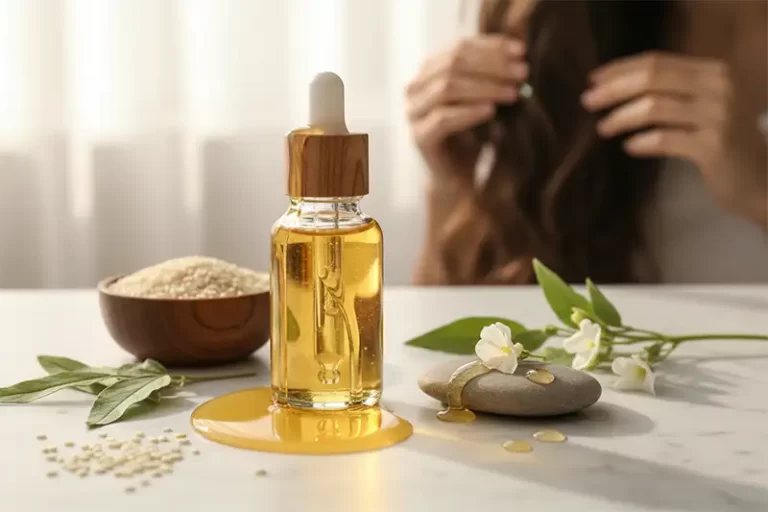

The Ultimate Guide to Organic Sesame Oil: From Kitchen Staple to Skincare Secret
Often called the ‘Queen of Oils’, this golden liquid is much more than a simple ingredient; it is a powerhouse of wellness waiting to be discovered in your organic sesame oil.
Whether you’re looking to add a nutty, aromatic flavour to your dishes or seeking a natural way to achieve glowing skin, this guide will reveal all its secrets. We will explore why choosing a high-quality, cold-pressed sesame oil is a game-changer. Get ready to unlock the magic hidden in every drop.
Here are five key takeaways to get you started
- Discover why the production method of your sesame oil drastically impacts its health benefits and flavour.
- Learn how this simple oil can be the secret weapon for achieving radiant, moisturized skin.
- Find out how to use sesame oil not just for cooking, but as a surprising boost for your hair’s strength and shine.
- Unlock the ancient practice of oil pulling and what it can do for your oral hygiene.
- We’ll reveal its impressive nutritional profile, which is packed with powerful antioxidants and healthy fats.
From Seed to Bottle: What Makes Organic Sesame Oil Special?
The journey of sesame oil begins with the seeds of the Sesamum indicum plant, which thrives in warm regions. The key difference lies in the method: cold-pressing mechanically presses the seeds without heat, which preserves the maximum amount of nutrients and natural antioxidants.
Unlike refined oils that use chemicals and high heat, which can strip away beneficial compounds, organic cold-pressed sesame oil offers a superior nutritional profile. This careful process ensures you’re getting a clean, wholesome product, free from harmful residues and packed with goodness.
A Culinary Superstar: More Than Just a Finishing Touch
In the kitchen, organic sesame oil is incredibly versatile, famous for its distinct nutty flavour that enhances a wide range of dishes. While toasted sesame oil is often used as a finishing drizzle, unrefined sesame oil is excellent for low to medium-heat cooking like sautéing and stir-frying.
It’s a fantastic base for salad dressings, marinades, and sauces, pairing beautifully with soy sauce, ginger, and garlic. The presence of healthy unsaturated fats, including omega-6 fatty acids, contributes to a heart-healthy diet as part of a balanced lifestyle.
Pros and cons of Organic (Unrefined) Oil
Pros
- Rich in antioxidants like sesamol and vitamin E, which help fight cell damage.
- Contains heart-healthy polyunsaturated and monounsaturated fats.
- Acts as a natural moisturizer for skin and nourishes hair.
- Possesses anti-inflammatory properties beneficial for overall health.
Cons
- Unrefined versions have a lower smoke point, making them less suitable for deep-frying.
- Can be more expensive than highly refined vegetable oils.
- Has a distinct flavour that may not be suitable for all types of cuisine.
- It is a common allergen for some individuals.
The Secret to Radiant Skin and Hair
Beyond the kitchen, sesame oil is a celebrated ingredient in beauty and wellness routines. Its high concentration of fatty acids and Vitamin E makes it an excellent natural moisturizer that penetrates deep into the skin, leaving it soft and hydrated thanks to organic sesame oil.
When used on hair, it can nourish the scalp, strengthen the hair shaft, and add a beautiful, natural shine. Massaging warm sesame oil for hair into the scalp can improve blood circulation and soothe dryness, making it a simple yet powerful addition to your haircare regimen.
Oil Pulling: An Ancient Ritual for Modern Wellness
Oil pulling is an ancient Ayurvedic practice that involves swishing oil in your mouth to improve oral hygiene. Traditionally, sesame oil for oil pulling is the top choice due to its powerful antibacterial and anti-inflammatory properties, which help reduce plaque and bad breath.
The practice is simple: just swish one tablespoon of cold-pressed sesame oil in your mouth for 15-20 minutes on an empty stomach. This ancient secret is a natural and effective way to support your oral health and is believed to draw out toxins from the body.
Key Terms Explained
- Antioxidants: Substances that protect your cells against damage from free radicals, abundant in sesame oil.
- Cold-Pressed: An extraction method that doesn’t use heat, preserving the oil’s natural nutrients and flavour.
- Smoke Point: The temperature at which an oil begins to smoke and break down, affecting its taste.
- Oil Pulling: An Ayurvedic dental technique of swishing oil in the mouth to improve oral health.
Nutritional Breakdown: What’s Inside?
A single tablespoon of sesame oil is packed with healthy fats and powerful compounds, primarily unsaturated fats. It contains a good balance of monounsaturated and polyunsaturated fatty acids, including essential omega-6, known to support cardiovascular health.
While it doesn’t contain protein or carbs, it is a great source of Vitamin E, a potent antioxidant. The unique compounds in pure sesame oil, such as lignans, have been studied for their various health-promoting properties, from reducing inflammation to protecting the heart.
| Nutrient | Amount per 1 Tbsp (14g) | Primary Benefit |
|---|---|---|
| Calories | ~120 | Energy Source |
| Total Fat | 14g | Healthy unsaturated fats |
| Vitamin E | 0.19 mg | Antioxidant, skin health |
Choosing and Storing Your Sesame Oil
To reap the most benefits, always opt for organic, cold-pressed, unrefined sesame oil. Look for oil packaged in a dark glass bottle, as this protects it from light, which can cause it to degrade and lose its potency over time.
Proper storage is key to maintaining its freshness and flavour. Keep your sesame oil in a cool, dark place away from the stove or direct sunlight to preserve the delicate qualities of your premium sesame oil for months to come.
Conclusion
Organic sesame oil is far more than a simple ingredient; it’s a versatile tool for enhancing both your meals and your well-being. The benefits of incorporating high-quality, organic sesame oil into your daily routine are undeniable.
Whether you’re drizzling it over a salad or adopting the ancient practice of oil pulling, you’re choosing a product rich in history and health. By understanding its unique properties and selecting the right kind, you unlock the full potential of this incredible kitchen and beauty staple.
References:
- https://www.healthline.com/nutrition/sesame-oil-benefits – A comprehensive overview of the science-backed health benefits of sesame oil.
- https://www.medicalnewstoday.com/articles/sesame-oil – Detailed nutritional information and health benefits, including its effects on cardiovascular health.
- https://www.webmd.com/diet/sesame-oil-health-benefits – An exploration of the nutritional value and various health advantages of consuming sesame oil.
- https://www.forbes.com/health/wellness/oil-pulling/ – A modern look at the ancient practice of oil pulling and its benefits.
- https://www.kamaayurveda.com/blog/sesame-oil-for-skin/ – In-depth information on the benefits of using sesame oil for skin and hair care.
Frequently Asked Questions
Is sesame oil good for you?
Yes, sesame oil is considered very healthy. It is rich in heart-healthy unsaturated fats, antioxidants like sesamol and vitamin E, and has anti-inflammatory properties that contribute to overall wellness.
Can you cook with sesame oil?
Yes, but the type matters. Light, unrefined sesame oil is great for low-to-medium heat cooking like sautéing, while dark, toasted sesame oil is best used as a finishing oil for flavour.
What is the difference between sesame oil and toasted sesame oil?
Regular sesame oil is cold-pressed from raw seeds and has a light flavour. Toasted sesame oil is pressed from roasted seeds, giving it a much darker colour and a richer, more intense aroma.
What are the benefits of sesame oil for skin?
Sesame oil is an excellent natural moisturizer that hydrates and softens the skin. Its antioxidant properties can help protect the skin from damage, soothe irritation, and reduce the appearance of fine lines.
Can I use sesame oil for my hair?
Absolutely. Massaging sesame oil into the scalp can nourish hair follicles, strengthen the hair, combat dryness, and add a healthy shine. It is often used in treatments to improve scalp health.