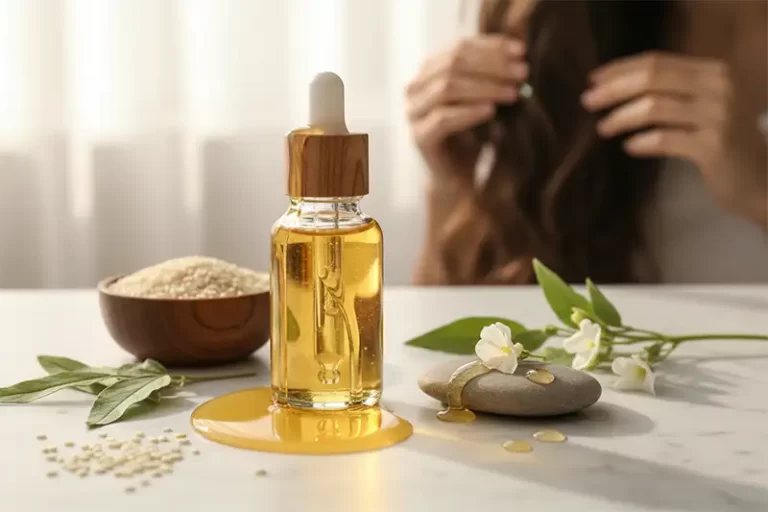

How to Practice Oil Pulling: A Step-by-Step Detox with Pure Sesame Oil
There is an ancient wellness ritual, rooted in Ayurvedic medicine, that promises to improve oral health and detoxify the body using one simple ingredient. This practice is oil pulling, and the traditional oil of choice is a high-quality, pure sesame oil, valued for its potent healing properties.
This simple act of swishing oil in your mouth might seem unusual, but it’s a powerful method for reducing harmful bacteria, freshening breath, and even whitening teeth naturally. This guide will provide a clear, step-by-step tutorial on the practice. Let’s explore how to incorporate this natural detox method into your daily routine for a healthier mouth and body.
Here are five key takeaways to get you started
- Learn the single most important rule about what to do with the oil after you’re finished swishing.
- Discover why performing this ritual at a specific time of day yields the best results.
- Understand the science behind how this simple liquid can capture and remove harmful mouth bacteria.
- Find out why pure sesame oil is the historically preferred choice over other popular oils.
- We’ll share the exact duration needed to achieve the maximum benefits without overdoing it.
What is Oil Pulling and How Does It Work?
Oil pulling is the practice of swishing a tablespoon of edible oil in your mouth for a set amount of time and then spitting it out. The science behind it is quite fascinating. The cell membranes of microorganisms in your mouth, like bacteria, are covered in a fatty, or lipid, layer. When you swish with oil, the lipids in the oil naturally adhere to the lipids in the bacterial cell walls.
As you swish the sesame oil for oil pulling around your mouth, it essentially acts like a magnet, picking up these harmful bacteria and microbes. After 15-20 minutes, the oil is emulsified and loaded with these captured toxins. When you spit it out, the harmful bacteria go with it, reducing plaque and improving overall oral hygiene.
Why Pure Sesame Oil is the Traditional Choice
While other oils like coconut and sunflower can be used, sesame oil holds a special place in Ayurveda as the original, most revered oil for this practice. This is due to its powerful therapeutic properties. Pure sesame oil is known to be deeply penetrating, warming, and rich in antioxidants like sesamol and sesamin.
It possesses strong antibacterial and anti-inflammatory qualities, making it particularly effective against the common bacteria that cause plaque, gingivitis, and bad breath (like *Streptococcus mutans*). Its long history of use and specific benefits for oral tissues make it the authentic and often most effective choice for a traditional Ayurvedic detox.
Pros and cons of Oil Pulling with Sesame Oil
Pros
- Effectively reduces harmful oral bacteria.
- Can lead to naturally whiter teeth over time.
- Improves gum health and combats bad breath.
- Completely natural and uses just one simple ingredient.
Cons
- Requires a time commitment of 15-20 minutes daily.
- The sensation of swishing oil can be unusual at first.
- Can cause temporary jaw fatigue when starting out.
- Must be spit into the trash to avoid clogging pipes.
Your Step-by-Step Guide to Oil Pulling
Ready to try it? The process is simple and easy to incorporate into your morning. The key to seeing results is consistency, so try to make it a daily habit. Here is your step-by-step guide to how to oil pull correctly.
First, upon waking and before eating, drinking, or brushing your teeth, measure one tablespoon of pure, cold-pressed sesame oil. Gently swish the oil in your mouth for 15-20 minutes, pushing and pulling it between your teeth. When finished, spit the milky-white liquid into the trash, rinse with warm water, and brush your teeth as usual.
Common Mistakes to Avoid
To ensure your oil pulling practice is safe and effective, there are a few common pitfalls to avoid. The most critical rule is to **never swallow the oil**. After swishing, it is full of the bacteria and toxins you want to remove from your body, so ingesting it would be counterproductive and harmful.
Also, be sure to spit the used oil into a trash can, not your sink or toilet. Over time, the oil can solidify and cause serious plumbing blockages. Finally, remember that oil pulling is a powerful complementary practice, but it is not a replacement for regular brushing and flossing.
Key Terms Explained
- Ayurveda: A traditional Indian system of medicine that focuses on a natural and holistic approach to physical and mental health.
- Streptococcus mutans: A type of bacteria found in the human mouth and a significant contributor to tooth decay.
- Gingivitis: A common and mild form of gum disease that causes irritation, redness, and swelling of your gums.
- Emulsify: The process of mixing two liquids that are normally unmixable, like oil and water (saliva), to form a stable mixture.
The Benefits: What to Expect and When
While some benefits are noticeable right away, others develop with consistent practice. After your very first session, you will likely notice that your teeth feel exceptionally smooth and clean, and your breath is fresher. This is the immediate effect of removing a significant amount of plaque and bacteria.
Within a couple of weeks of daily practice, you may see an improvement in gum health, with less redness or bleeding when you brush. Many people report visibly whiter teeth after a month or two. The key is consistency; make it a non-negotiable part of your morning routine to experience the full benefits of oil pulling.
| Action | Recommended Duration | Key Tip |
|---|---|---|
| Oil Pulling | 15-20 minutes | Do it first thing in the morning. |
| Rinsing | 30 seconds | Use warm salt water for extra cleansing. |
| Brushing | 2 minutes | Do this *after* oil pulling. |
Conclusion
Oil pulling with sesame oil is more than just a trend; it’s a time-honored Ayurvedic practice with real benefits for your oral health and beyond. It is a simple, natural, and affordable way to reduce harmful bacteria, promote healthy gums, and achieve a brighter smile. The power of this ritual lies in its simplicity and the potent properties of pure sesame oil.
By making this ancient technique a part of your modern wellness routine, you are taking a proactive step towards a healthier mouth. Remember to be consistent, follow the steps correctly, and embrace this moment of quiet detox to start your day.
References:
- https://www.healthline.com/nutrition/oil-pulling-coconut-oil – An overview of oil pulling, its benefits, and the science behind it.
- https://www.banyanbotanicals.com/info/ayurvedic-living/living-ayurveda/health-guides/how-to-do-oil-pulling/ – A guide from a leading Ayurvedic resource on the traditional method.
- https://www.ncbi.nlm.nih.gov/pmc/articles/PMC5198813/ – A scientific review of the role of oil pulling in dental hygiene.
- https://askthedentist.com/oil-pulling-benefits-how-to/ – A dentist’s perspective on the benefits and proper technique of oil pulling.
- https://www.webmd.com/oral-health/features/oil-pulling – An examination of the claims and evidence surrounding oil pulling.
Frequently Asked Questions
How long does it take to see results from oil pulling?
You may feel immediate results like fresher breath and cleaner teeth after the first session. More significant benefits, such as whiter teeth and improved gum health, can take a few weeks to a month of consistent daily practice to become noticeable.
Can I use any other oil besides sesame oil?
Yes, coconut oil and sunflower oil are also commonly used for oil pulling. However, sesame oil is the traditional choice in Ayurveda and is praised for its specific antibacterial and warming properties that are believed to be highly effective for oral health.
Does oil pulling replace brushing and flossing?
No, absolutely not. Oil pulling should be seen as a supplementary practice to your regular oral hygiene routine. You should continue to brush twice a day and floss daily for complete dental care.
Is it safe to oil pull every day?
Yes, for most people, oil pulling is safe to practice daily. It’s a gentle detox method. If you have any specific dental conditions or concerns, it’s always a good idea to consult with your dentist first.
What should the oil look like when I spit it out?
After 15-20 minutes of swishing, the oil will have mixed with your saliva and should appear thin, milky, and white. If it’s still clear and oily, you may not have swished it long enough.